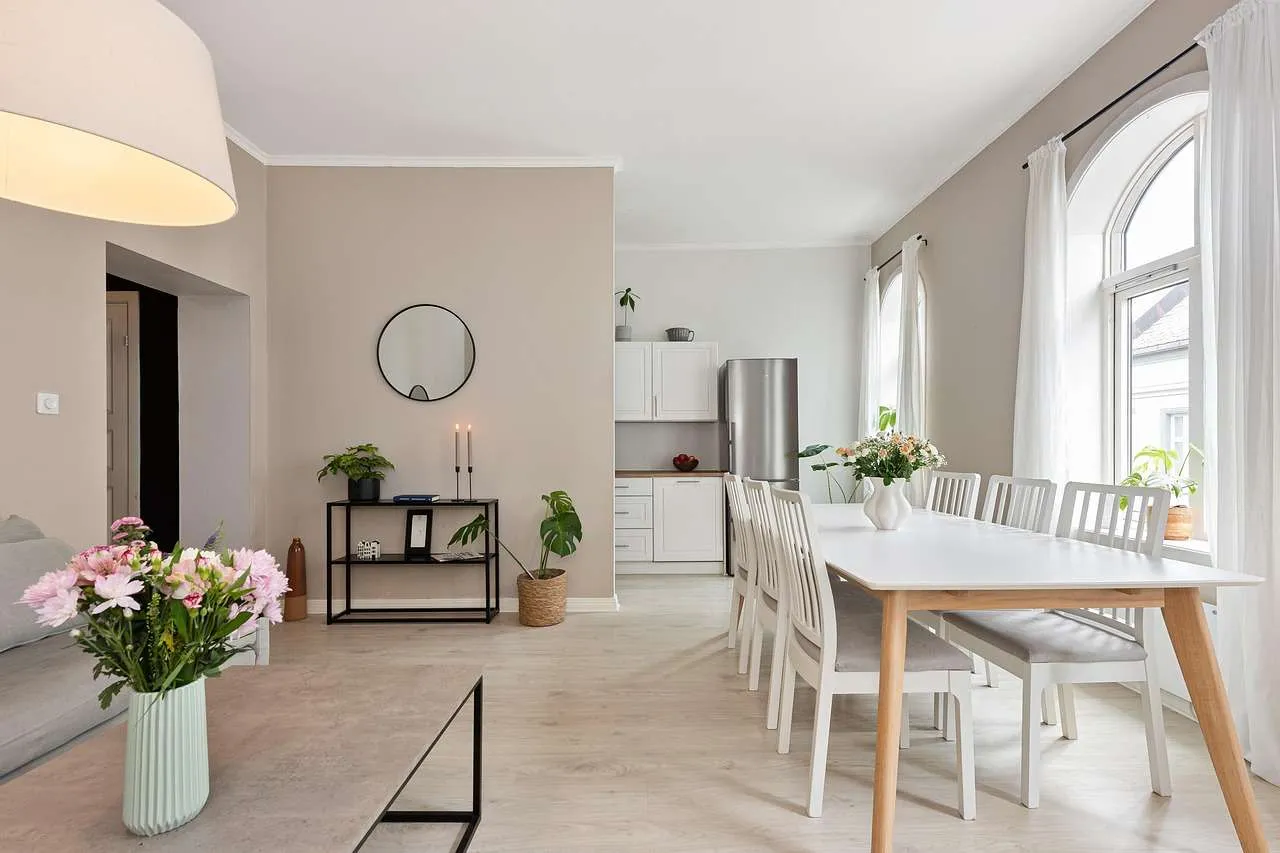
Home Window Tinting: Enhance Comfort and Privacy

What is home window tinting?
Home window tinting refers to applying a thin film to the interior side of your windows to reduce heat, glare, and UV exposure while boosting privacy and comfort. Modern window films are engineered for residential use and come in a range of shades and technologies. When installed by a professional or by a careful DIY enthusiast, tinting can transform living spaces by moderating indoor temperatures and protecting furnishings from sun damage.
Benefits of home window tinting
Energy efficiency: By reflecting a portion of solar heat, tinting lowers cooling loads in summer and helps maintain steady temperatures in winter when paired with proper insulation. This can translate to lower energy bills over time and a more comfortable home environment year-round.
UV protection: Most films block up to 99 percent of ultraviolet light, reducing fading of upholstery, carpets, and artwork and protecting skin from sun exposure in high-traffic rooms. This preservation translates to longer-lasting interiors and fewer replacement costs.
Privacy and glare control: Tinted windows reduce visibility from outside during daytime and improve screen readability on devices by cutting glare, creating a more comfortable workspace or living room, especially in rooms with strong sun exposure.
Safety and security: Some films hold shattered glass in place during impacts, adding a layer of safety for households with children or in high-traffic apartments. Noise reduction is modest but noticeable in some film types, contributing to a quieter indoor experience.
Choosing the right film for homes
Film technologies vary by the way they reject heat, reflect light, and interact with indoor furnishings. Key options include:
Common film types
- Dyed films: Affordable and simple, they provide good color and privacy but can fade over time and may require replacement.
- Metalized films: Excellent heat rejection but can interfere with electronics or cell signals in some cases; they also create a reflective exterior appearance.
- Carbon films: Offer strong heat rejection without a strong reflective look and are less prone to fading.
- Ceramic films: High performance, strong UV protection, good heat rejection, and minimal interference with devices; typically more expensive but durable.
- Dual-reflective or mirrored films: Provide strong daytime privacy and glare reduction but may appear mirrored from the outside and can be restricted in some areas.
Practical guidelines for selection
Consider climate, room orientation, and how daylight is used. For sun-facing windows, higher heat rejection and moderate glare control are beneficial. In rooms where natural light is valued, choose films with higher visible light transmission (VLT) to preserve brightness. It is also important to balance aesthetics with performance and to verify warranty terms with manufacturers and installers.
Color, shade, and VLT considerations
Visible light transmission (VLT) indicates how much light passes through. For residential rooms that need natural light, a VLT of 40-70% is common. In darker spaces, homeowners may choose higher VLT to preserve brightness, while rooms that face intense sun may benefit from lower VLT. Always balance comfort with required daylight and check local regulations or HOA guidelines.
Legal and HOA considerations
Residential tinting is generally allowed, but some municipalities restrict exterior appearance or reflective films. Homeowners associations may require approvals or specific tint grades. Before installation, review local ordinances and obtain any necessary permissions to avoid fines or enforcement actions. Keep documentation of product specifications and installation details for future property transactions.
Comparison of common film types
| Film Type | UV Rejection | Heat Reduction | Glare Control | Cost | Notes |
|---|---|---|---|---|---|
| Dyed | Good | Moderate | Moderate | Low | Budget-friendly, fades over time |
| Metalized | Excellent | Excellent | High glare reduction | Moderate | Metal layer may affect signals |
| Carbon | Excellent | Strong | Good | Moderate-High | Non-reflective, durable |
| Ceramic | Excellent | Excellent | Excellent | High | Best performance, premium option |
| Dual-reflective | Excellent | Very Good | High | Moderate-High | Daytime privacy, exterior reflectivity |
Installation options and care
DIY tinting is possible for small windows with careful preparation, but larger panes or multi-room projects typically benefit from professional installation. A contractor can measure, cut, and apply film smoothly, minimizing air bubbles and ensuring edge sealing for durability. Request a warranty and confirm compliance with window type and manufacturer guidelines.
Maintenance is simple: clean with a soft, non-ammonia solution and a microfiber cloth. Avoid abrasive cleaners that can scratch the film. Over time, films can develop micro-lifts at edges; a professional re-seal or reapplication can extend life.
Costs, ROI, and maintenance tips
Professional residential tinting typically runs per square foot, with total project costs varying by film type, home size, and local labor rates. Carbon and ceramic films tend to be more expensive but offer superior performance and longer life, which can offset costs through energy savings and furniture protection. Homeowners should factor in potential energy rebates, reduced glare, and improved comfort when evaluating ROI.
One practical approach is to estimate the annual cooling savings and compare to installed cost. Since sun exposure varies by climate, ROI will differ by region, but many homes see noticeable savings in the first 2-5 years, especially in sunny regions and rooms with large windows.
Conclusion, for a well-chosen home window tinting solution, you gain better energy efficiency, UV protection, privacy, and comfort without sacrificing daylight. By selecting the right film type, ensuring proper installation, and following maintenance best practices, you protect interiors, preserve furniture, and potentially lower cooling costs. Always verify local regulations and choose a trusted installer to maximize long-term value.