Small Bathroom Ideas: Smart Design Tips
If you’re tackling a small bathroom, you’re not alone. Many homes rely on compact baths where every inch counts. With a thoughtful approach, small bathroom ideas can deliver both style and function. This guide blends practical design principles, trusted storage solutions, and lighting strategies to help you transform a tight space. For best results, pair these ideas with professional advice for plumbing and electrical work to ensure safety and code compliance.
Smart Layouts for Small Bathrooms
Vanity and Toilet Placement
In dense layouts, a wall-mounted vanity helps free floor space and creates the illusion of room. Position the vanity away from the door swing and align the plumbing lines to reduce clutter. If possible, install a compact toilet with a rounded bowl, which takes less horizontal footprint while retaining comfort. A shallow vanity depth (less than 18 inches) can reclaim precious inches for a walkway or a shower enclosure.
Door Swing and Traffic Flow
Consider a pocket door or barn door to avoid door clearance conflicts. If a standard swing is required, keep a minimum 30 inches of clear space in front of fixtures. Clear sightlines from the doorway to the shower or mirror enhance the perception of space and improve daily usability.
Maximize Storage Without Clutter
Built-in Shelves
Recessed niches in the shower wall and above the tub can store shampoo and soap without intruding on space. Use vertical storage to keep creams and towels accessible but out of sight, maintaining a clean look.
Medicine Cabinets
A mirrored medicine cabinet provides vital storage for small bathrooms while reflecting light. Choose a slim profile and adjustable shelves to accommodate bottles of varying sizes.
Over-Tank Storage
Floating shelves or a slim cabinet above the toilet adds storage without crowding the floor. If ceiling height allows, install a tall, narrow cabinet that leverages vertical space for towels and toiletries.
Light and Color to Make a Space Feel Larger
Neutral Palettes and Accent Colors
Soft neutrals like warm whites, greiges, and pale taupes create a calm backdrop. Add an accent in a cool blue or emerald through towels or accessories to create depth without overwhelming the space.
Lighting Layers: Ambient, Task, Accent
Layered lighting reduces shadows and opens the room. Combine an overhead ambient light with task lighting at the mirror and a small wall sconce or LED strip for ambient glow around the vanity. Mirrors with a clean edge reflect more light and amplify perceived space.
Materials and Fixtures That Save Space
Compact Fixtures
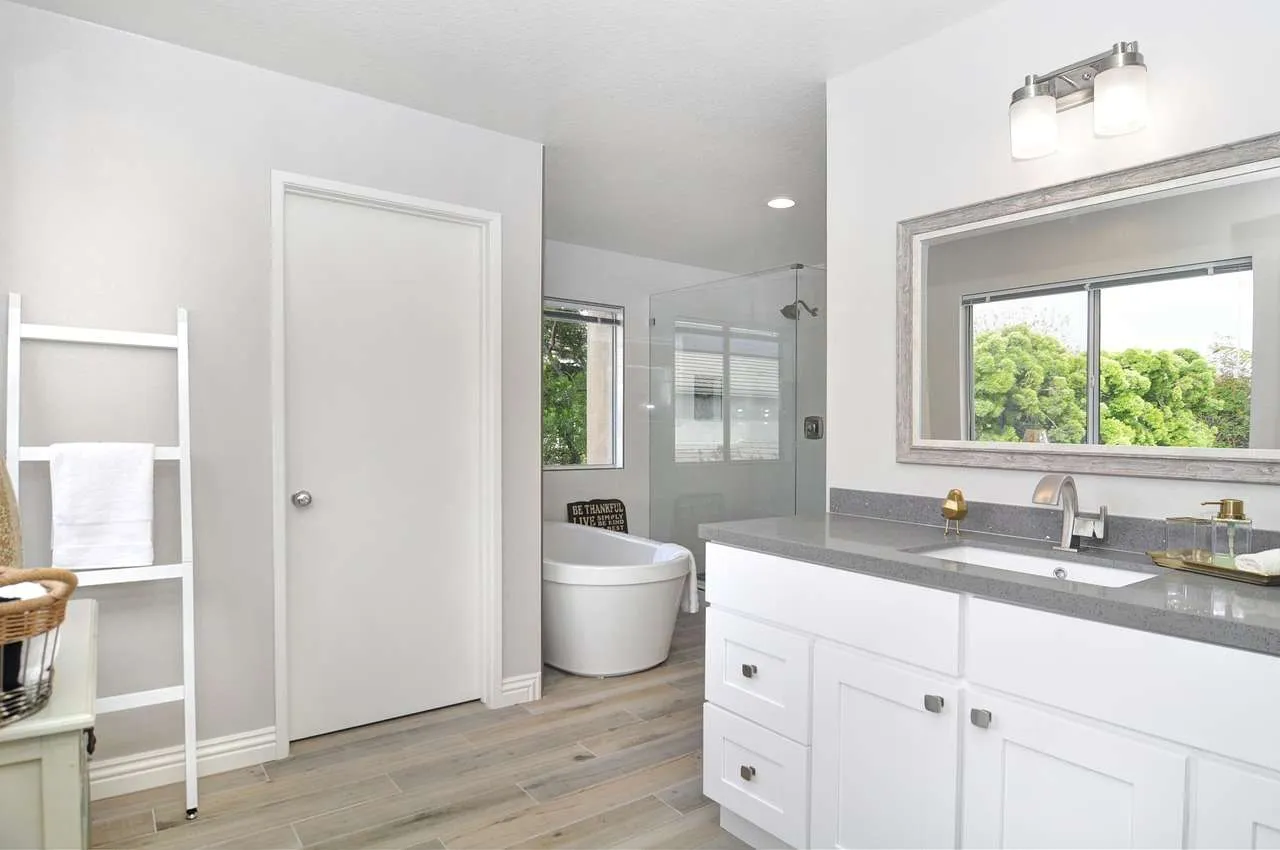
Choose a compact, wall-mounted faucet and a shallow undermount sink to preserve counter space. A small corner shower stall with clear glass can visually expand the room while providing a comfortable shower experience.
Wall-Mounted and Corner Units
Wall-mounted toilets and bidets lift the fixture off the floor and simplify cleaning. Corner units, including corner sinks, maximize awkward corners and improve traffic flow.
Comparison: Layout Options
| Option | Layout Hint | Best For | Pros | Cons | Estimated Cost |
|---|---|---|---|---|---|
| Walk-in shower + floating vanity | Maxes openness; avoid sightlines into shower | Very small baths | Feels spacious; easy to clean | Shower area may be slippery; higher initial cost | Medium |
| Pocket door + wall-hung toilet | Reclaims door swing space | Narrow layouts | Full clearance; accessible | Requires carpentry; can be costly | Medium-High |
| Corner shower + corner sink | Utilizes corners | Small shapes | Efficient footprint | Limited tub option | Low-Medium |
| Open shelves + frameless mirror | Bright reflections | Guest bath | Airy feel; budget-friendly | Requires organization | Low |
Summary: The key truths for small bathroom ideas include optimizing layouts, storage, lighting, and durable materials. By planning around door swings, prioritizing vertical storage, and selecting compact, wall-mounted fixtures, you can create a bright, functional bath that feels larger than it is. The strategies outlined here—careful space planning, clever storage, layered lighting, and quality finishes—drive both EEAT and enduring style. If in doubt, consult a licensed professional to align plumbing and electrical work with local codes.